
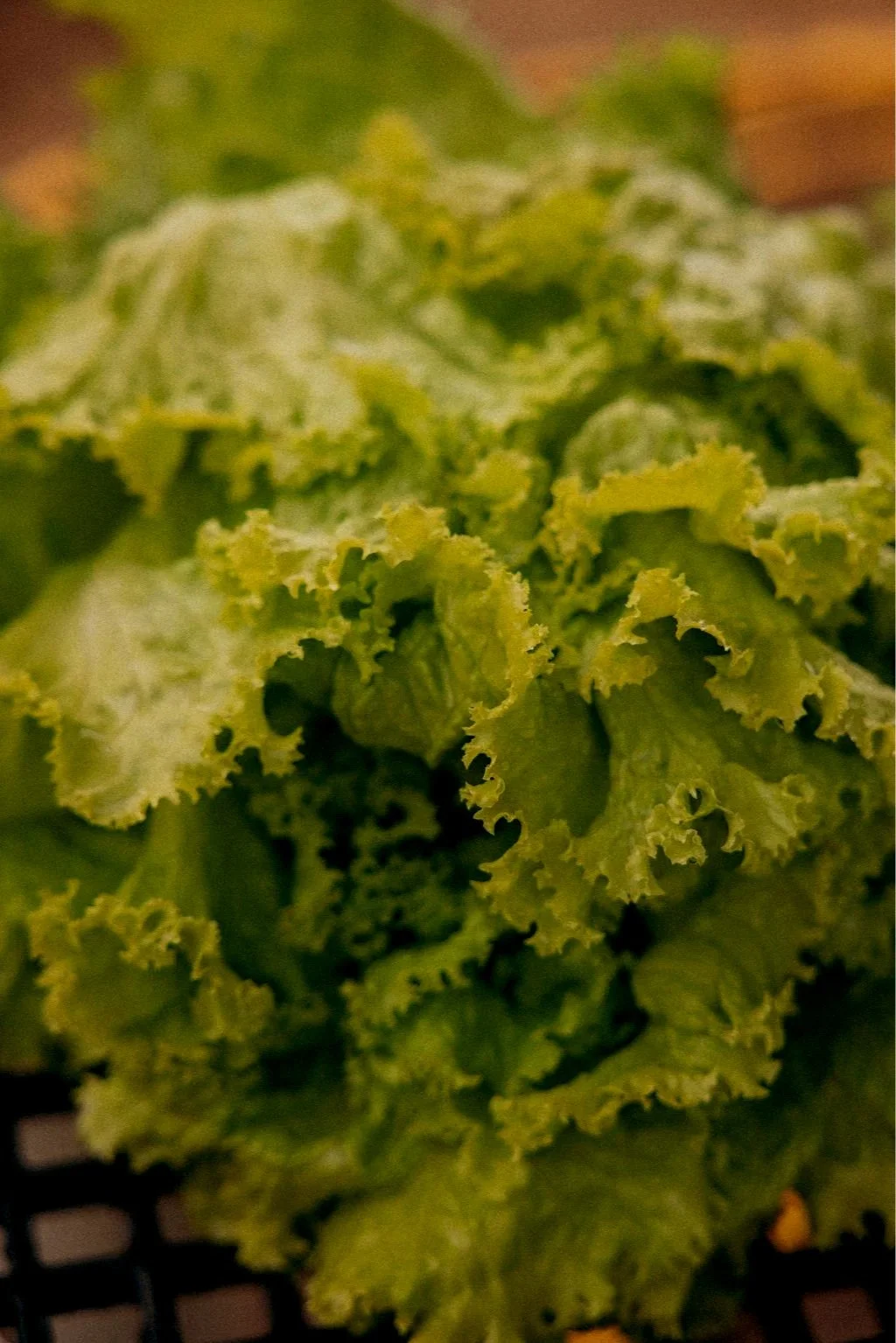
Our Practices
We farm to regenerative and organic standards, building living soil, supporting our natural ecosystem, and making quality, nutritious food accessible to all.
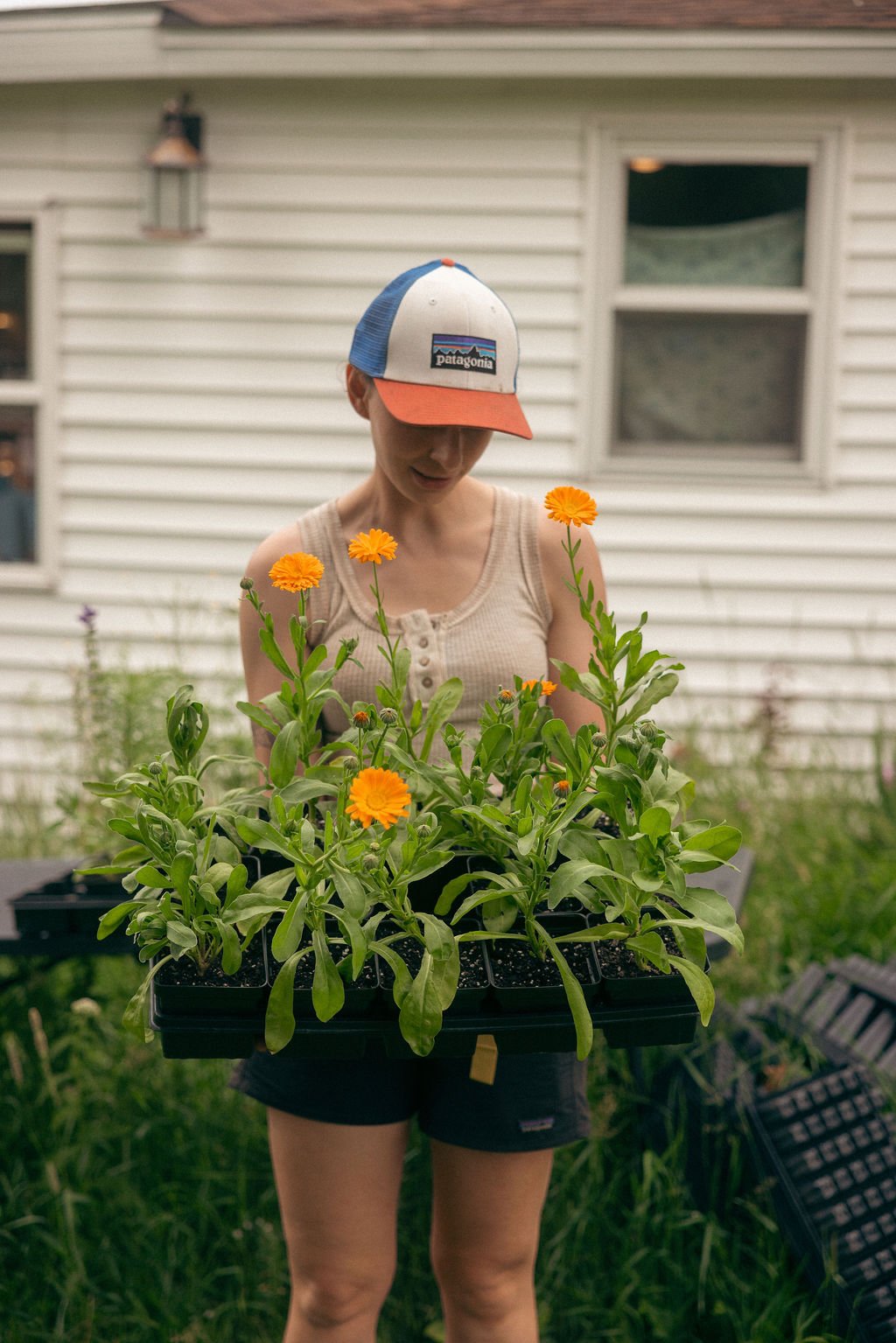
Organic Everything
Every day, we learn more about the harm caused by chemicals used in conventional farming. We want none of that in our soil, our produce, or our bodies. That’s why we use only certified organic inputs in our garden—from vegetable, herb, and cover crop seeds to seed-starting soil, fertilizers, and beneficial microbes.
To farm as sustainably as possible, we source those inputs as close to home as we can. Each winter, we research new organic options as they become available, then test them in greenhouse trials each spring before putting them to work on the farm.
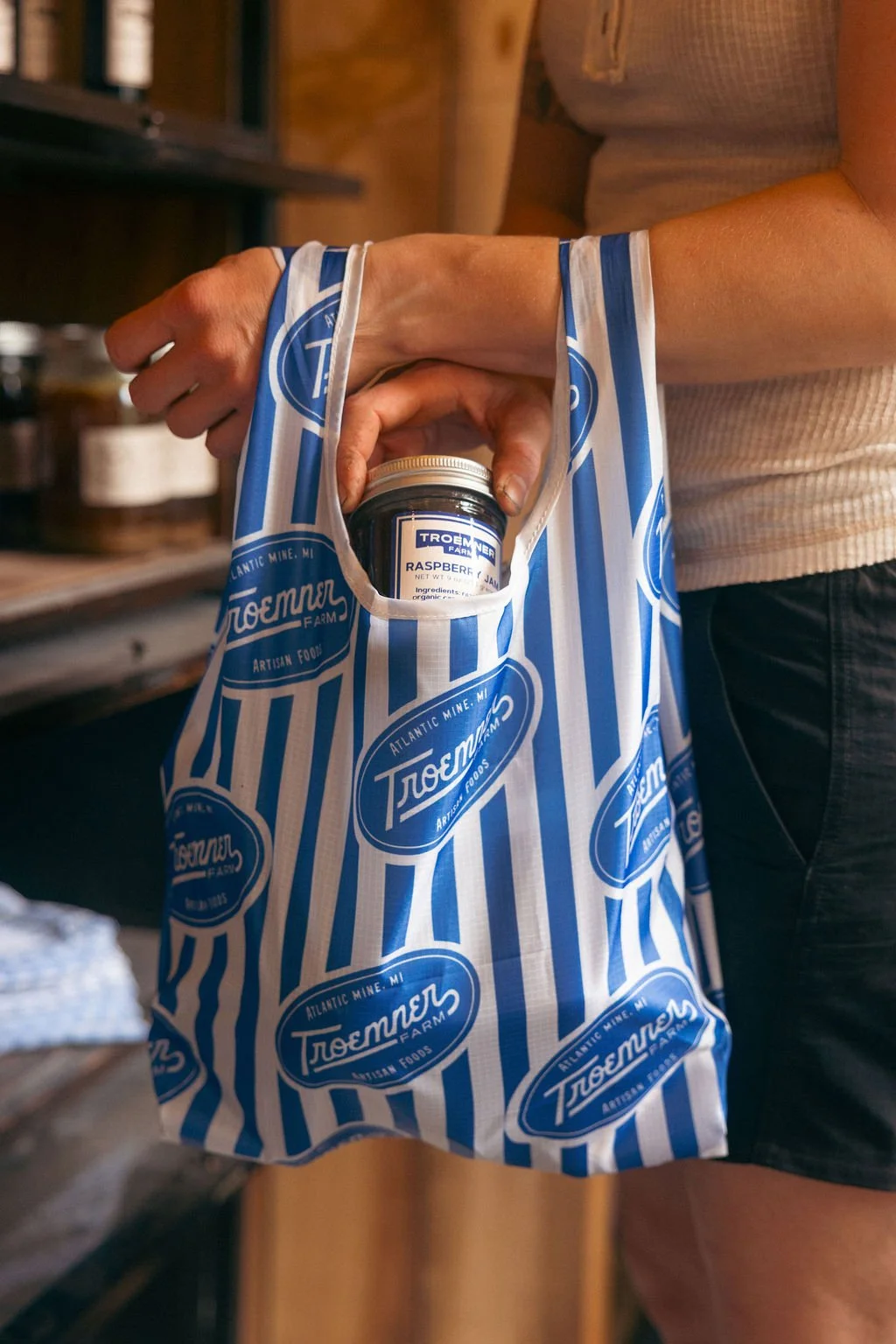
Accessible Pricing
It’s no secret that organically grown produce often costs more. That’s because organic inputs cost 30–60% more and organic farming asks more of the people who do it—more time, more labor, and more care.
Even so, we don’t charge more than the average market price. Profit isn’t what drives us. Our goal is simply to break even while building a way of farming we believe in, one that can sustain the farm, care for the land, and feed people well.
We believe food grown from living soil, without synthetic pesticides, should be the right of all—not a privilege of few.
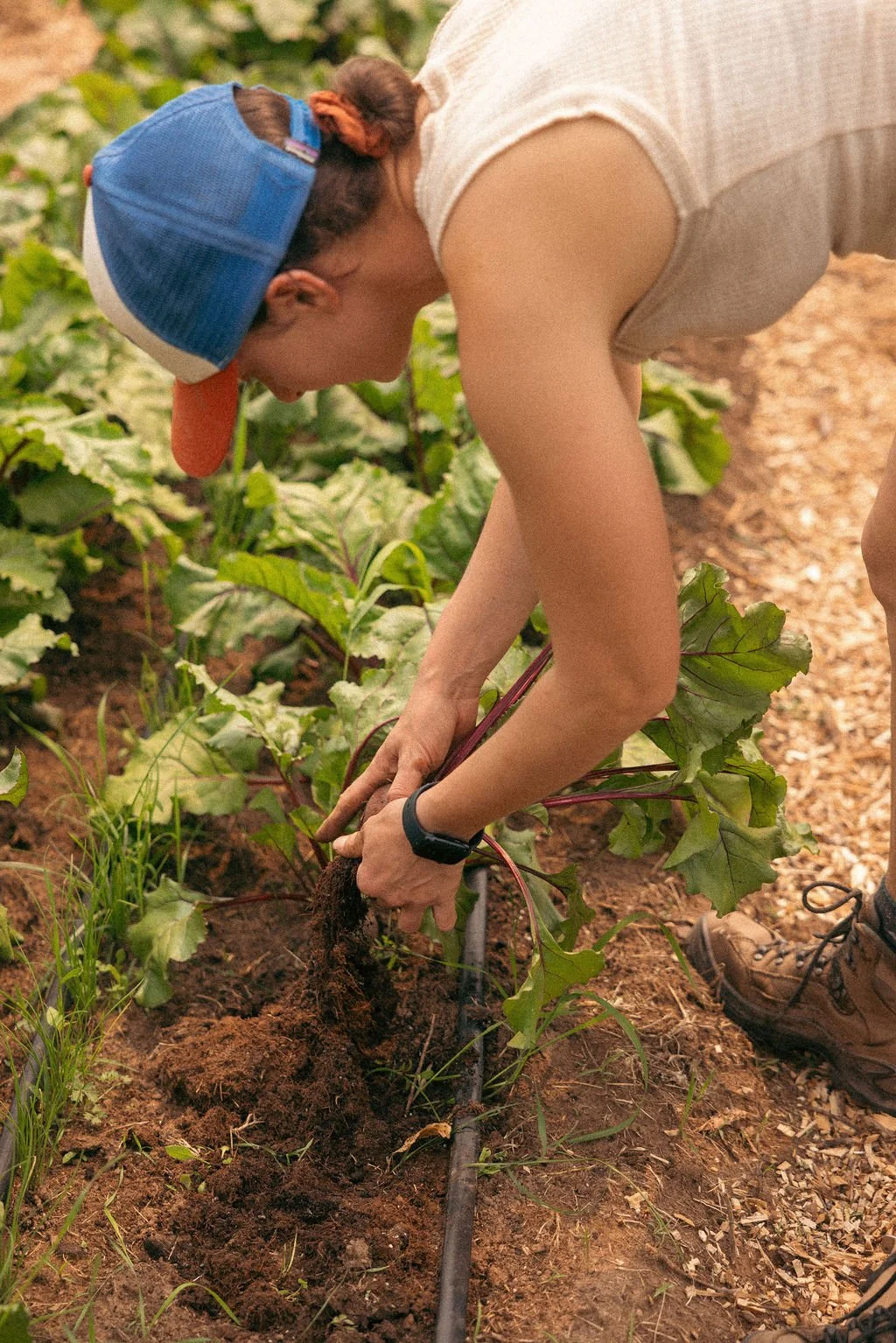
Soil Health
Soil health is everything—the foundation on which life depends. We see soil not as a living ecology to be nurtured.
Every choice we make, from cover cropping and interplanting to low-till practices and careful crop rotation, is guided by the goal of feeding and protecting the diverse web of organisms beneath our feet.
Healthy soil holds water, stores carbon, and produces stronger, more nutrient-dense plants. It helps heal the land while feeding our community. By putting soil first, we’re investing in a resilient, abundant future for our farm, our food, and the land we love.
Cover Cropping
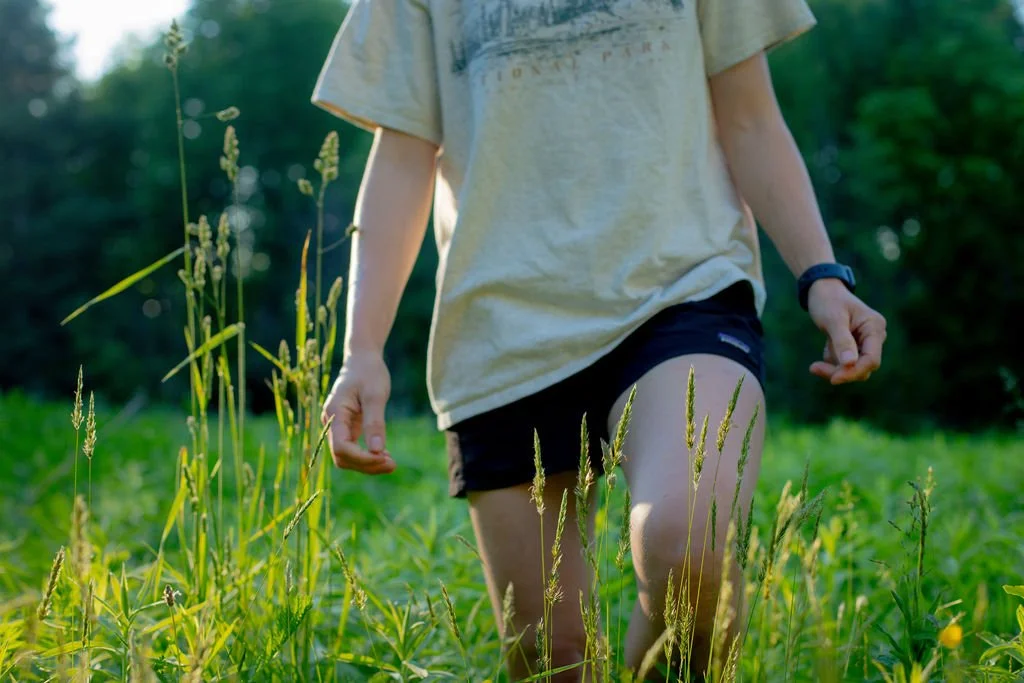
Like any living thing, soil needs rest and renewal. That’s where cover crops come in. After the soil has done the work of nourishing a crop, we return the favor by planting a diverse mix of legumes, grasses and cereals, brassicas, and broadleaf species.
These crops are not planted for harvest or profit, but for the long-term health of the farm: to protect against erosion, build organic matter, hold moisture, cycle nutrients, suppress weeds, reduce pest pressure, and create habitat for beneficial insects, birds, and microbes.
Interplanting
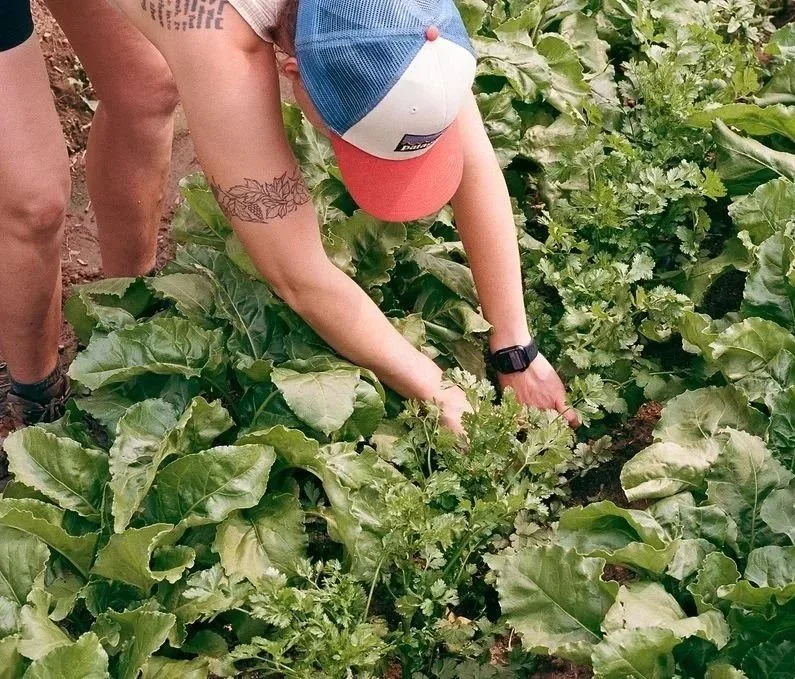
By growing a diverse mix of densely planted crops within a single bed, we mirror the kind of diversity found in natural ecosystems. That diversity above ground helps support a more balanced soil biology below, leading to healthier, more resilient plants that need fewer outside inputs.
Interplanting also keeps the soil covered, which helps it hold moisture and reduce the need for irrigation. It takes knowledge, observation, and a willingness to keep learning—work we’re glad to return to each season.
Pollinator Plantings
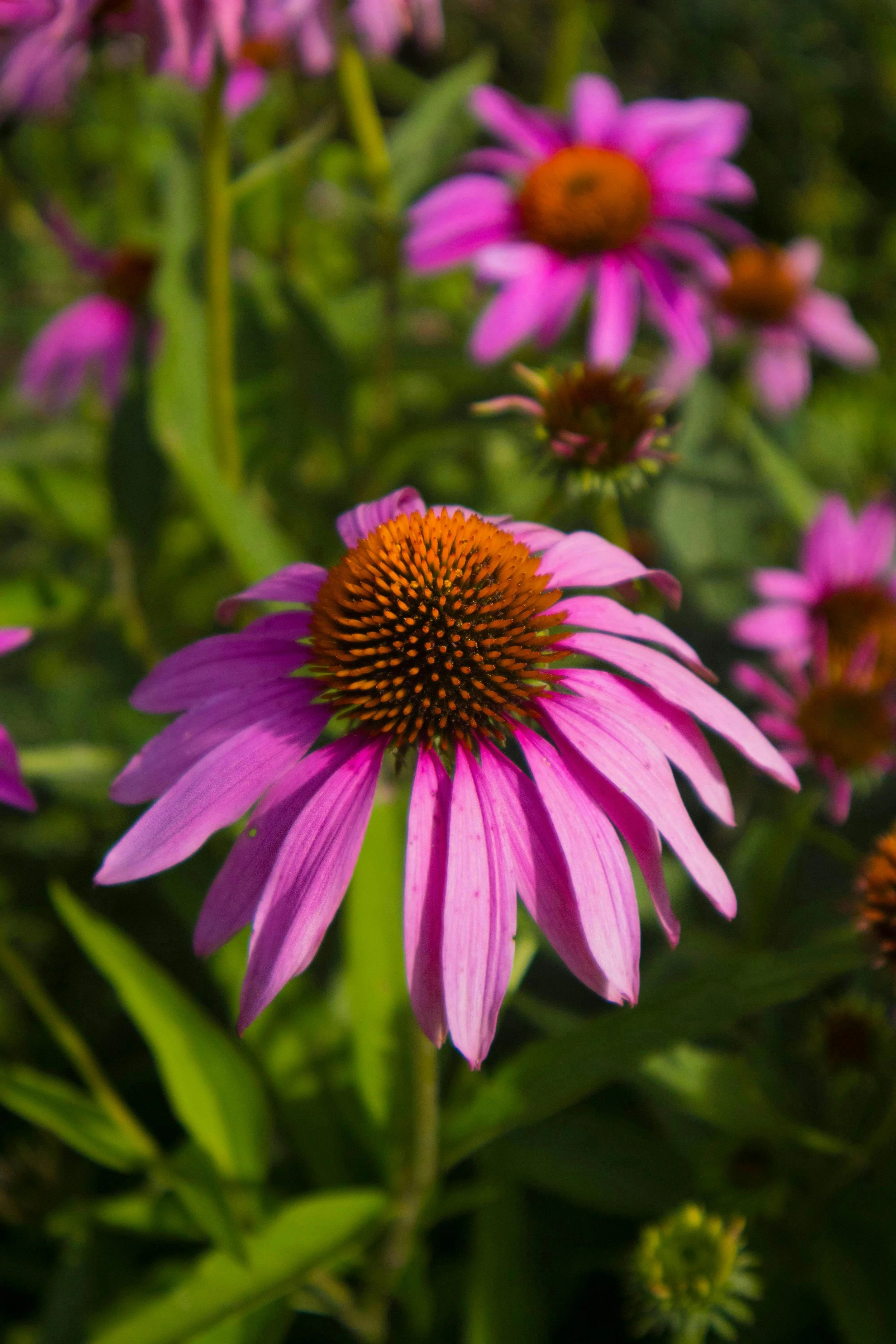
We dedicate garden space to perennial native plants like echinacea, lupine, and columbine to support pollinators on the farm. These plantings return year after year, providing food and habitat for bees, butterflies, and other beneficial insects while helping build a more diverse and resilient landscape.
Deep perennial roots also help store carbon deeper in the soil, supporting long-term soil health below the surface. We leave the seed heads standing from fall through spring, providing an important seasonal food source for birds—especially in early spring, when migrating birds return north before other food is widely available.
Crop Rotation
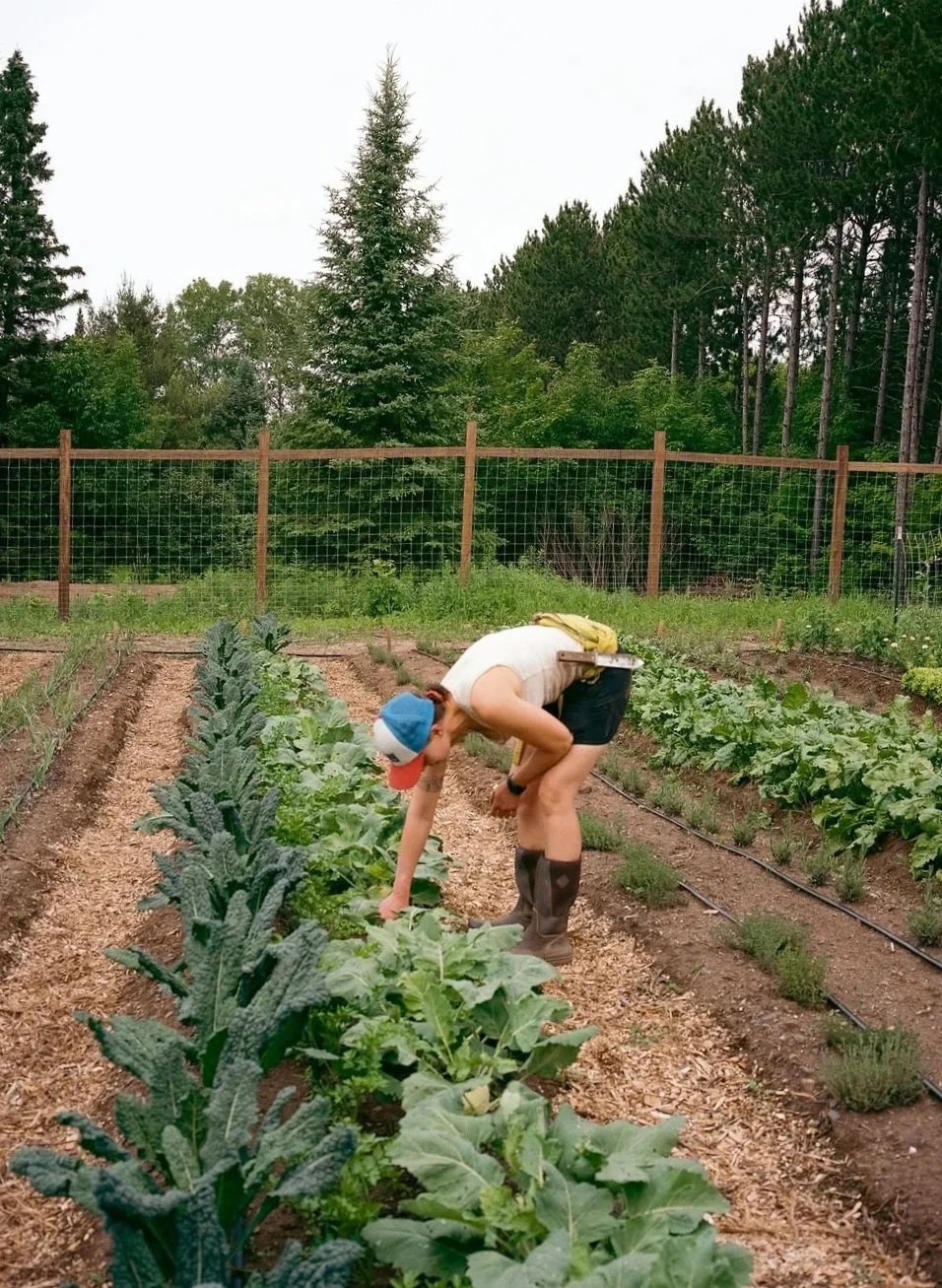
We rotate crops because healthy land depends on balance. Alternating what grows where helps protect the soil, interrupt pest and disease cycles, and keep the farm thriving season after season.
HONOR NATIVE LAND
Troemner Farm is located in Atlantic Mine in the Keweenaw Peninsula of the Upper Peninsula of Michigan. We acknowledge this place as the ancestral and contemporary homeland of Indigenous Anishinaabe neighbors: Gakiiwe’onaning (Keweenaw Bay), Gete-gitgaaning (Lac Vieux Desert), Mashkii-ziibing (Bad River), and Miskwaabikong (Red Cliff). We are committed to caring for this Great Lakes region in a spirit of respect, reciprocity, and good relationship with our Indigenous neighbors.